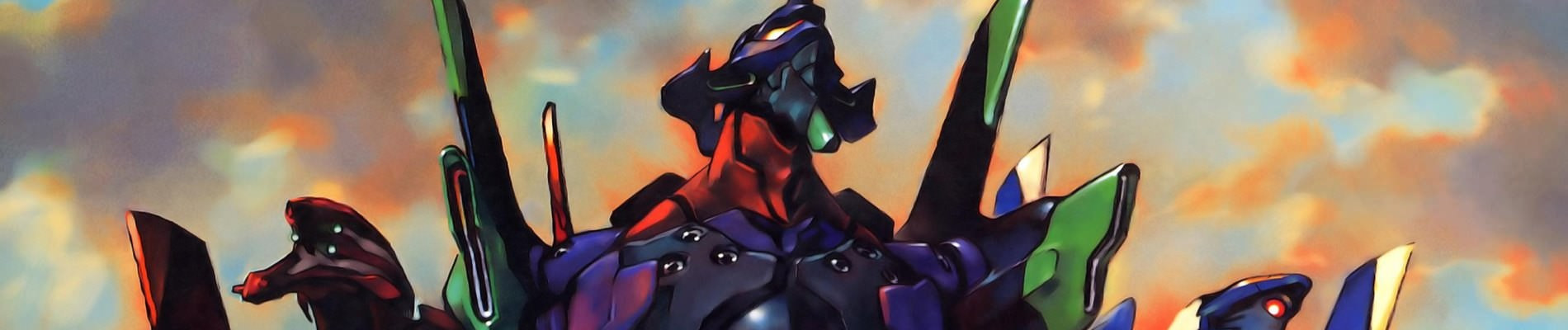

Neon Genesis Evangelion
Also known as 新世紀エヴァンゲリオン | Shin Seiki Evangelion
TVFall 1995Source OriginalPG-13 - Teens 13 or older
ActionDramaMechaMysteryPsychologicalSci-FiAvant GardeAward WinningSuspense
8.3/10
Community score
#262
Rank
2M
Members
118.9K
Favorites
Synopsis
In the year 2015, the Angels, huge, tremendously powerful, alien war machines, appear in Tokyo for the second time. The only hope for Mankind's survival lies in the Evangelion, a humanoid fighting machine developed by NERV, a special United Nations agency. Capable of withstanding anything the Angels can dish out, the Evangelion's one drawback lies in the limited number of people able to pilot them. Only a handful of teenagers, all born fourteen years ago, nine months after the Angels first appeared, are able to interface with the Evangelion. One such teenager is Shinji Ikari, whose father heads the NERV team that developed and maintains the Evangelion. Thrust into a maelstrom of battle and events that he does not understand, Shinji is forced to plumb the depths of his own inner resources for the courage and strength to not only fight, but to survive, or risk losing everything.
(Source: AniDB)
Note: Later releases include edited versions of Episodes 21-24 called the "Director's Cut" with some visual editing and adding extra scenes that previously appeared in the theatrical recap 'Death'.
Production Notes
Director Hideaki Anno's depression is what led to the dark themes of Shinseiki Evangelion. Budgetary problems and parental complaints about content led to the original ending being scrapped and replaced with an extremely limited-animation ending breaking from the main plot. A movie, Air/Magokoro wo, Kimi ni, was later made based in part on the original planned ending and in part on Anno's increasing frustration with the otaku fanbase. The series' mix of psychoanalysis, religious symbolism, and genre deconstruction proved extremely influential on mature anime in the late '90s onward. The Japan Media Arts Festival in 2006 ranked it as the most popular anime of all time.
Theme Songs
Openings
"Zankoku na Tenshi no Thesis (残酷な天使のテーゼ, A Cruel Angel's Thesis)" by Yoko Takahashi
Endings
1: "Fly Me to the Moon" by Claire
2: "Fly Me to the Moon (Rei #5 Version)" by Megumi Hayashibara (eps 5)
3: "Fly Me to the Moon (Rei #6 Version)" by Megumi Hayashibara (eps 6)
4: "Fly Me to the Moon -4 Beat Version-" by Yoko Takahashi (eps 7,12)
5: "Fly Me to the Moon (Aya Bossa Techno Version)" by Aya (eps 8,22)
6: "Fly Me to the Moon (Yoko Takahashi Acid Bossa Version)" by Yoko Takahashi (eps 9,13)
7: "Fly Me to the Moon (Yoko Takahashi Version)" by Yoko Takahashi (eps 10,14,21)
8: "Fly Me to the Moon -4 Beat Version (Off-Vocal)-" by [Instrumental] (eps 15)
9: "Fly Me to the Moon (Off-Vocal Version)" by [Instrumental] (eps 16,24)
10: "Fly Me to the Moon (Aki Jungle Version)" by Aki (eps 17)
11: "Fly Me to the Moon -B22 (A-Type)-" by [Instrumental] (eps 20)
12: "Fly Me to the Moon (Rei #23 Version)" by Megumi Hayashibara (eps 23)
13: "Fly Me to the Moon (Rei #25 Version)" by Megumi Hayashibara (eps 25)
14: "Fly Me to the Moon (Rei #26 Version)" by Megumi Hayashibara (eps 26)
If You Liked This



Related Titles
Sequel
Shinseiki Evangelion Movie: Air/Magokoro wo, Kimi ni
anime
Adaptation
Shinseiki Evangelion
manga
Spin-Off
Petit Eva: Evangelion@School
anime
Summary
Shinseiki Evangelion Movie: Shi to Shinsei
anime
Alternative Version
Evangelion Movie 1: Jo
anime
Alternative Version
Evangelion Movie 2: Ha
anime
Alternative Version
Evangelion Movie 3: Q
anime
Alternative Version
Shin Evangelion Movie:||
anime
Quick Facts
FormatTV
Episodes26
Duration24 min per ep
SourceOriginal
RatingPG-13 - Teens 13 or older
SeasonFall 1995
AiredOct 4, 1995 to Mar 27, 1996
StatusFinished Airing
Recommended
Monetizing Content
Ranking And Reach
Popularity#44
Scored by1.2M
BroadcastWednesdays at 18:30 (JST)
ApprovedYes
Title Variants
English title
Neon Genesis Evangelion
Romaji title
Shin Seiki Evangelion
Japanese title
新世紀エヴァンゲリオン
Synonyms
NGE, Evangelion (1995), Shinseiki Evangelion
Production Team
Main studio
Gainax
Producers
TV Tokyo, Kadokawa Shoten, Nihon Ad Systems, Audio Tanaka
Licensors
ADV Films, GKIDS
Japanese title
新世紀エヴァンゲリオン
Themes And Audience
MechaPsychological